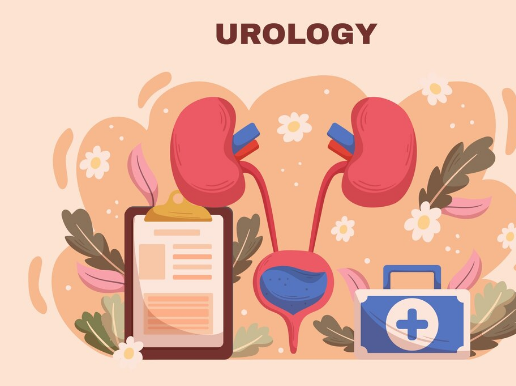

Frequent urination can affect sleep, work, travel, and everyday comfort. If you often need to visit the toilet or wake up several times at night to pass urine, it may be time to seek medical advice. Consulting a Urologist in Greater Noida West can help identify the underlying cause and guide you towards appropriate care. Kashvi Multispeciality Hospital Center provides urology services for patients experiencing urinary, bladder, kidney, and prostate-related concerns.
Frequent urination does not always indicate a serious illness. However, when it continues or interferes with daily life, it should not be ignored. Understanding the possible causes is the first step towards effective management.
Want a direct connection with us on WhatsApp? Click now.
What Causes Frequent Urination?
Frequent urination means passing urine more often than usual. Some people pass small amounts each time, while others produce larger amounts of urine throughout the day.
Several factors can contribute to this problem, including:
Urinary tract infections (UTIs): Infections may cause frequent urges, burning, and discomfort while urinating.
Overactive bladder: The bladder may contract unexpectedly, creating a sudden and frequent need to urinate.
Diabetes: High blood sugar can increase urine production and thirst.
Prostate enlargement: An enlarged prostate may affect urine flow and bladder emptying in men.
Kidney or bladder stones: Stones can cause discomfort, urinary urgency, or blood in the urine.
Lifestyle factors: Drinking excessive fluids, consuming caffeine, or taking certain medicines may increase urination.
Kashvi Multispeciality Hospital Center encourages patients to seek an assessment when symptoms persist. Identifying the cause is essential because different conditions require different treatments. Source: Mayo Clinic.
When Should You Consult a Urologist in Greater Noida West?
Occasional frequent urination may occur after drinking extra fluids or caffeine. However, repeated symptoms without an obvious explanation deserve attention.
Consider consulting a Urologist in Greater Noida West if you experience:
- Frequent urination that disrupts your daily routine
- Repeated nighttime trips to the bathroom
- Burning or pain while passing urine
- A sudden, urgent need to urinate
- Difficulty starting urination or emptying the bladder
- Weak urine flow or urinary leakage
Blood in the urine, fever with urinary symptoms, or pain in the side or lower abdomen requires prompt medical assessment. If you cannot pass urine at all, seek emergency care.
Kashvi Multispeciality Hospital Center recommends timely evaluation rather than relying on self-medication. Early assessment can help identify conditions that need specific treatment.
How Can Kashvi Multispeciality Hospital Center Help?
Kashvi Multispeciality Hospital Center offers urology services in Greater Noida West for patients with urinary and related health concerns. The aim is to understand each patient’s symptoms, identify possible causes, and support an appropriate treatment plan.
Reviewing Symptoms and Medical History
The assessment begins with questions about how often you urinate, how long the symptoms have been present, and whether you experience pain, urgency, or nighttime urination.
Your doctor may also review existing medical conditions, current medicines, fluid intake, and previous urinary problems. This information helps guide further investigations.
Recommending Appropriate Diagnostic Tests
Depending on your symptoms, a healthcare professional may recommend:
- Urine tests: These can help identify signs of infection, blood, or other abnormalities.
- Blood tests: These may be used to assess blood sugar or kidney function when indicated.
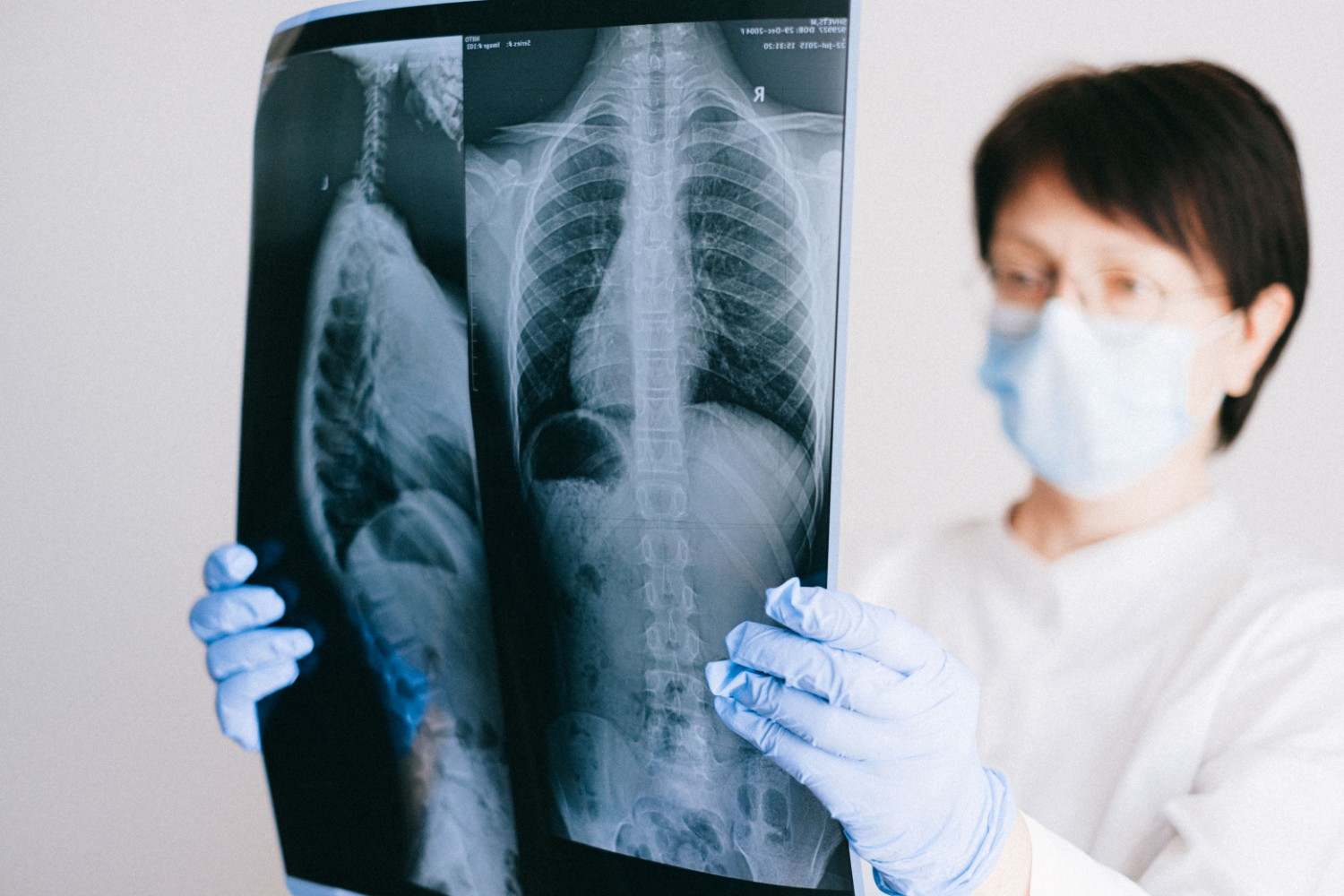
- Ultrasound imaging: This may help examine the kidneys and bladder or assess urine remaining after urination.
- Additional urological investigations: Further tests may be considered if symptoms persist or the initial findings require clarification.
Not every patient needs every test. Kashvi Multispeciality Hospital Center supports an assessment based on the patient’s symptoms and clinical findings.
Developing an Individual Treatment Plan
Treatment depends on the underlying diagnosis. A Urologist in Greater Noida West may recommend medication for certain infections or bladder conditions, management of diabetes, or further evaluation of prostate-related problems.
If kidney or bladder stones are responsible, treatment will depend on their size, location, and associated symptoms. Some cases can be managed without surgery, while others may require a procedure.
Kashvi Multispeciality Hospital Center provides urology services for urinary infections, kidney stones, bladder disorders, prostate concerns, and urinary incontinence. The appropriate treatment is determined after medical evaluation.
Lifestyle Changes That May Help Manage Frequent Urination
Alongside medical care, certain habits may help reduce urinary discomfort. However, lifestyle changes cannot replace treatment when an underlying condition is present.
Monitor your fluid intake. Drink enough water to stay hydrated. Avoid deliberately restricting fluids without medical advice.
Reduce caffeine if it triggers symptoms. Tea, coffee, energy drinks, and some soft drinks may increase urgency in certain people.
Keep a bladder diary. Record when you drink fluids, how often you urinate, and whether symptoms occur at night.
Review your medicines. Some medicines increase urine production. Ask your doctor whether any adjustments are appropriate.
Follow your treatment plan. Take prescribed medicines as directed and attend recommended follow-up appointments.
Kashvi Multispeciality Hospital Center encourages patients to discuss persistent symptoms rather than making major changes to their fluid intake or medication independently.
Why Timely Urological Care Matters
Ignoring frequent urination may delay the diagnosis of an underlying condition. For example, a urinary infection may require treatment, while persistent symptoms caused by prostate enlargement or bladder dysfunction may need further investigation.
Seeking advice from a Urologist in Greater Noida West can help clarify the cause and determine the next steps. It also allows patients to discuss treatment options, possible risks, and ways to monitor their progress.
Kashvi Multispeciality Hospital Center aims to provide patient-focused care, clear communication, and access to appropriate diagnostic and treatment services. The goal is to help patients understand their urinary health and make informed decisions about their care.
Conclusion
Frequent urination can result from several causes, including urinary tract infections, overactive bladder, diabetes, prostate enlargement, and kidney or bladder problems. Although the symptom is sometimes linked to fluid intake, persistent changes should be evaluated by a healthcare professional.
At Kashvi Multispeciality Hospital Center, patients can seek urology care to investigate urinary symptoms and explore suitable treatment options. Consulting a Urologist in Greater Noida West can help you understand the cause of frequent urination and take appropriate steps towards better urinary health. Timely assessment, personalised care, and regular follow-up can make managing these concerns easier.
Frequently Asked Questions
How often is it normal to urinate in a day?
Urination frequency varies depending on fluid intake, medications, age, and health. A noticeable increase from your usual pattern, particularly when accompanied by other symptoms, may need medical assessment.
Can frequent urination be a sign of diabetes?
Yes. Diabetes can cause increased urine production and excessive thirst. A healthcare professional may recommend blood glucose testing if diabetes is suspected.
Can frequent urination be treated?
Yes, treatment is available for many causes of frequent urination. The right approach depends on the diagnosis and may include medication, lifestyle adjustments, or treatment for an underlying condition.
When should I see a urologist for frequent urination?
Seek medical advice if frequent urination persists, disrupts sleep, or occurs with pain, burning, weak urine flow, or leakage. Blood in the urine, fever, or significant pain requires prompt evaluation.